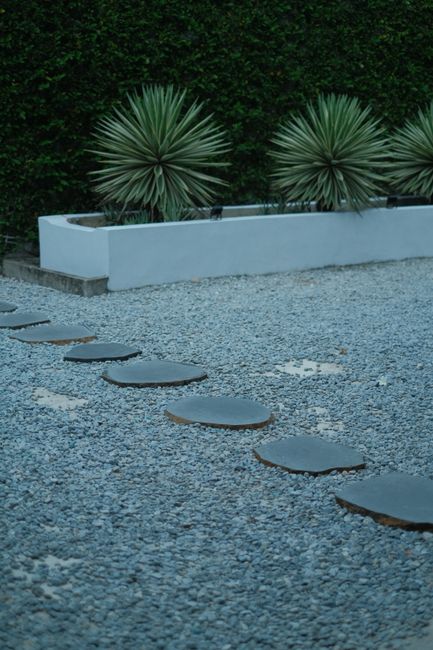
Small garden landscaping East Sheen cost comparison
If you are weighing up a small garden makeover in East Sheen, the hardest part is often not the design idea itself. It is figuring out what different landscaping choices actually cost, what is worth paying for, and where you can save without ending up with a garden that feels half-finished. A proper Small garden landscaping East Sheen cost comparison helps you make sense of the options before you commit to a layout, a planting plan, or a hard landscaping job that will live in your garden for years.
Small gardens can be deceptively expensive. Tight access, awkward levels, tired surfaces, and the need for clever storage or privacy all add pressure. On the other hand, small spaces also let you spend money where it matters most. That is the upside, really. You can be selective. In this guide, we will compare common approaches, explain what tends to push costs up or down, and help you choose a route that fits both your space and your budget.
For local support, it can also help to understand the wider service picture, from professional landscaping work to ongoing garden maintenance and practical finishing touches like patio cleaning.
Table of Contents
- Why Small garden landscaping East Sheen cost comparison Matters
- How Small garden landscaping East Sheen cost comparison Works
- Key Benefits and Practical Advantages
- Who This Is For and When It Makes Sense
- Step-by-Step Guidance
- Expert Tips for Better Results
- Common Mistakes to Avoid
- Tools, Resources and Recommendations
- Law, Compliance, Standards, or Best Practice
- Options, Methods, or Comparison Table
- Case Study or Real-World Example
- Practical Checklist
- Conclusion
- Frequently Asked Questions
Why Small garden landscaping East Sheen cost comparison Matters
In East Sheen, small gardens often sit behind period terraces, compact homes, or narrow side return spaces. That creates a very practical question: do you spend modestly on a quick tidy-up, or do you invest in a full redesign that gives you more usable space and less maintenance later? A cost comparison matters because the same size garden can produce wildly different quotes depending on what is being done.
For example, two gardens of similar dimensions may need completely different budgets. One may only need level turf, new planting, and a neat gravel edge. The other may need old paving lifted, soil improved, drainage corrected, and a new timber structure. Same footprint. Very different bill.
It also matters because small garden work is usually detail-heavy. There is less room to hide poor planning. If a path is too wide, a patio too large, or a bed too shallow, the whole space can feel cramped. A good comparison forces you to think about value, not just the headline price. What are you really getting? How long will it last? Will you need to redo it in two years? These are the questions that save money.
A sensible comparison also helps you avoid overbuying. Many homeowners want a magazine finish when a simpler layout would work better. To be fair, that is easy to do when the garden is only a few steps from the kitchen and you can imagine all the possibilities at once. The trick is to compare the cost of each layer: design, groundwork, materials, planting, and maintenance.
How Small garden landscaping East Sheen cost comparison Works
The simplest way to compare costs is to break the project into parts rather than asking for one broad number. That may sound obvious, but it is where many budgets go sideways. A tidy quote should ideally separate out preparation, materials, labour, and any extras such as waste removal or access challenges.
Start with the garden's current condition. Is it just overgrown, or is it genuinely neglected? A garden that needs clearing, ivy removal, and weed control will usually cost more to start than one that is already fairly open. If the space has been ignored for a while, it can be worth reading practical advice on revamping a neglected garden before you compare options. That helps you understand what is decorative and what is structural.
Then look at the type of improvement you want:
- Soft landscaping - planting, turfing, borders, mulching, and soil improvement.
- Hard landscaping - paving, edging, steps, retaining features, decking, and pergola-style structures.
- Space-saving features - vertical planting, compact seating areas, storage, and screen planting.
- Maintenance-led upgrades - lawn care, hedge shaping, weed suppression, and seasonal upkeep.
The comparison works best when you assess each of those separately. A low-cost soft landscaping job can look excellent if the layout is right. A higher-cost hard landscaping project may be the better buy if the current garden has drainage issues or very poor access. The point is not to pick the cheapest-looking option. The point is to find the best value for the outcome you actually want.
Small gardens also benefit from layered planning. A simple design can be phased, which means you spread the spend across stages. That is often a very sensible approach in London gardens, especially where budgets need to balance design ambition with long-term upkeep. And yes, the fence line, path width, and planting choice all change the price more than people expect.
Key Benefits and Practical Advantages
A good cost comparison gives you more than a number. It gives you control. Once you know the main cost drivers, you can make sharper decisions and avoid those awkward "we should probably have asked that earlier" moments.
- Clearer budgeting - you know what the design, materials, and labour are likely to consume.
- Better prioritisation - you can spend on the features that change the feel of the garden most.
- Reduced waste - fewer impulse choices and fewer "nice but unnecessary" extras.
- More durable results - comparing value often points you towards better groundwork, which matters a lot.
- Improved usability - especially important in smaller East Sheen gardens where every square metre counts.
There is also a very real emotional benefit. A well-planned small garden feels calmer. You step outside and it works. The seating area fits. The planting is not crowding the path. The storage does not dominate the view. In other words, the money you spend actually changes how the place feels day to day.
If your aim is privacy or shelter, the value can be even higher. Fast-growing screening planting, for example, can be compared against fencing or trellis-based solutions. For inspiration, the article on fast-growing hedges for privacy is useful when you are deciding whether to spend on living structure or a more immediate built solution.
Who This Is For and When It Makes Sense
This kind of comparison is useful for a lot of people, not just homeowners with a full redesign on the cards. If you are trying to make a small outdoor space more liveable, the budget question arrives very quickly. It can be a front garden, a narrow rear courtyard, or a compact family space that needs to do too many jobs at once.
It makes sense if you are:
- planning a first-time garden makeover and need a realistic budget range;
- updating a space before selling or letting a property;
- trying to choose between a low-maintenance design and a more planted one;
- dealing with shade, wind, awkward levels, or poor soil;
- wanting a small garden that feels more private, tidy, and useful.
It is also useful if you are comparing a quick refresh against a more permanent landscape change. For instance, lawn repair plus border tidy-up may feel affordable, but if the grass is patchy and shaded, a more resilient groundcover approach may be better value over time. If that sounds familiar, the guide on versatile ground covers for UK gardens can help you think through alternatives.
Small garden landscaping is not just for people with big budgets either. Sometimes the smartest spend is surprisingly modest. A few well-placed changes can shift a space from "messy but promising" to something that feels intentional. Tiny garden, small budget, decent results. It can be done.
Step-by-Step Guidance
Here is a practical way to approach the comparison without drowning in detail.
- Measure the usable space
Not just the overall garden, but the actual functional zones. Note door swings, steps, slopes, and awkward corners. - List your priorities
Write down the top three outcomes. For example: more seating, less maintenance, and better privacy. - Separate must-haves from nice-to-haves
Drainage fixes may be essential. Decorative lighting may not be. That distinction matters for the budget. - Compare soft and hard landscaping
Planting is often cheaper at the start, but paving or decking may be more durable in high-use areas. - Ask what preparation is included
Ground levelling, waste removal, soil improvement, and old-feature removal can change the price a lot. - Think about maintenance after installation
A low upfront quote can become expensive if the design needs constant trimming, feeding, or clearing. - Request itemised quotes
This is where proper comparison becomes useful. One-lump quotes hide where the spend is going.
For anyone trying to keep the project manageable, an organised approach works best. In our experience, most budget pain comes from unclear scope rather than from the actual materials. You look at a quote and think, "That feels high," but then realise it includes old paving removal, edging, and planting. Suddenly it makes a lot more sense.
If you are unsure about cost-efficient design choices, this practical piece on budget-savvy garden design is a solid companion read.
Expert Tips for Better Results
Here are a few planning habits that tend to improve value straight away.
- Keep the layout simple. A small garden usually looks better with one strong focal point than with lots of competing features.
- Use fewer materials, but better ones. Two or three consistent finishes often feel more considered than a patchwork of textures.
- Spend on access and structure first. If the base is wrong, the rest will annoy you every time it rains.
- Choose planting that suits the site. Shade, wind, and soil type affect how much aftercare you will need. There is no point forcing a sun-loving layout into a shadowy corner.
- Design for maintenance level, not just appearance. A neat low hedge can be lovely, but it may need regular shaping. Sometimes a more relaxed scheme is the smarter buy.
A useful little trick: compare the cost of one feature that solves several problems at once. For example, a built-in bench can create seating, storage, and visual structure. Or vertical planting can deliver greenery without taking much floor space. If you want ideas in that direction, vertical planting methods is worth a look.
Another helpful thought: not every garden needs a dramatic transformation. Sometimes a cleaner edge, better planting rhythm, and one or two smart structural changes are enough. Quiet improvements. They add up.
Common Mistakes to Avoid
The biggest errors tend to be easy to spot after the money is spent. That is the annoying bit. The good news is they are avoidable if you compare properly.
- Comparing only the headline total. A cheaper quote may exclude waste removal or preparation.
- Ignoring drainage or soil conditions. A beautiful surface on poor ground is a short-lived win.
- Overfilling a small layout. Too many features make the space feel smaller, not richer.
- Choosing planting for looks alone. Maintenance matters, especially in a compact garden where every bed is close to the house.
- Forgetting seasonal upkeep. A garden designed in summer can behave very differently in winter wind and rain.
One of the more common regrets is too much hard landscaping. People sometimes think paving is the safest option because it seems tidy and low fuss. But if the whole garden becomes hard and echoey, you lose softness and life. Not ideal. Especially in a small East Sheen garden where balance matters more than bulk.
If weeds or ivy are part of the problem, it is worth dealing with them before any new work begins. The articles on weed control and removing ivy properly can help you avoid burying a problem under fresh materials.
Tools, Resources and Recommendations
You do not need a shed full of specialist kit to make a sensible decision, but a few basics help.
- Notebook or spreadsheet for comparing quoted items side by side.
- Rough measurements of the usable garden footprint and key obstacles.
- Site photos taken in daylight and, if possible, after rain.
- Priority list that ranks what matters most: privacy, seating, planting, storage, low maintenance.
- Seasonal planning notes for shade, frost exposure, wind, and wet spots.
For homeowners who like practical garden advice, a few supporting reads can make the planning process easier. You might find the guide on beginner gardening essentials useful if you are building confidence, while garden-ready tools can help you prepare for light maintenance after the main work is done.
Where planting is part of the solution, think in layers. Groundcover, shrubs, climbers, and container planting can all contribute in a small space. You do not have to choose one style and stick to it forever. The nicest small gardens usually borrow a bit from several approaches.
Law, Compliance, Standards, or Best Practice
For small garden landscaping in East Sheen, the main compliance question is usually less about formal regulation and more about sensible working practice. That said, there are still some important points to keep in mind.
First, if work involves trees, boundary structures, or anything close to shared access, it is wise to check ownership and any practical restrictions before digging or removing features. Tree work in particular may need careful judgement, and more substantial projects can benefit from professional assessment. If that is part of your plan, the dedicated tree surgery service page is relevant.
Second, good contractors should work safely, manage waste responsibly, and explain what is included. You should expect clear communication on access, potential disruption, and how materials will be handled. That is just good practice. Nothing fancy, just proper working standards.
Third, if your project includes fencing, raised structures, or sloping ground, durability and stability matter more than visual finish alone. A neat-looking feature is not much use if it moves, rots, or causes water to pool where it should not. For that reason, it can be useful to review related support such as fencing services and decking services when these features are part of the design.
Finally, always ask for insurance and safety information where appropriate. That is a normal and reasonable part of hiring. If a team is comfortable explaining how they work, how they protect surfaces, and how they handle risk, that is a good sign.
For general reassurance, you can also review the site's own insurance and safety information before moving forward.
Options, Methods, or Comparison Table
Below is a practical comparison of common small-garden approaches. The figures are deliberately general rather than exact, because the real cost depends on site condition, materials, access, and finish level.
| Option | Typical cost pressure | Best for | Trade-off |
|---|---|---|---|
| Basic tidy-up and refresh | Lower | Overgrown but workable gardens | Improves appearance, but may not fix layout issues |
| Soft landscaping with planting and turf | Moderate | Gardens that need life, colour, and softer edges | Usually needs regular care and seasonal attention |
| Patio-led redesign | Moderate to higher | Small spaces needing seating and simple access | Can feel hard if overused |
| Decking or raised features | Moderate to higher | Uneven gardens or split-level layouts | Needs careful detailing and upkeep |
| Screening with hedges or climbers | Variable | Privacy, softness, and long-term structure | Slower to establish than fencing |
| Full redesign with mixed features | Higher | Spaces needing a complete reset | Best results, but easiest to overspend on extras |
If you want an easy rule of thumb, compare by outcome. Do you want a garden that looks fresher, one that works harder, or one that solves a structural issue? That answer usually points you toward the best-value route faster than a spreadsheet full of random numbers ever will.
Case Study or Real-World Example
Imagine a small East Sheen rear garden that has a patchy lawn, a slightly tired paved corner, and an open boundary that feels a bit too exposed when neighbours are outside. The owner wants somewhere to sit, a cleaner view from the kitchen, and less weekend weeding. Very normal brief, actually.
There are three possible routes.
- Option A: a light refresh with weeding, border tidy-up, and a few new plants.
- Option B: replace the tired lawn with a smaller lawn section, add a compact patio, and introduce screening plants.
- Option C: do a full redesign with new paving, raised beds, lighting, screening, and improved drainage.
Option A is the cheapest, but it does not solve the awkward use of space. Option B usually offers the best balance for many small gardens because it combines usable hard landscaping with living elements that soften the edges. Option C is the most complete, and often the best long-term answer if the garden has drainage or layout problems, but it requires the highest spend and the clearest plan.
In this kind of situation, the smart move is not always to choose the biggest project. Sometimes the better call is to get the key structural elements right first, then add planting in stages. You get value now and room to improve later. Not glamorous, maybe, but very sensible.
If the small garden is also used by children or pets, the design needs another layer of thought. A more open layout with safe surfaces and sturdy planting may be worth prioritising over decorative detail. For that, the guide on making a garden fun and safe for kids and the article on gardening with furry friends in mind are both practical companions.
Practical Checklist
Use this before requesting quotes or deciding between options.
- Measure the garden and note the usable zones.
- List your top three goals.
- Decide what must be fixed before any cosmetic work starts.
- Identify shade, wind, drainage, and access issues.
- Separate soft landscaping from hard landscaping in your budget.
- Ask whether waste removal and preparation are included.
- Check how much ongoing maintenance each option will require.
- Compare at least two or three itemised approaches.
- Think about how the garden will feel in winter, not just in June.
- Choose one clear focal point rather than packing in too many features.
Expert summary: In a small East Sheen garden, the best value usually comes from a clear layout, sensible preparation, and one or two features that solve more than one problem at once.
That last point is worth holding onto. The prettiest plan is not always the best plan. The best plan is the one you will still like after the first frost, the first wet week, and the first time you need to squeeze past the recycling bins. Life happens, after all.
Conclusion
A careful Small garden landscaping East Sheen cost comparison gives you more than a rough budget. It helps you choose between a quick refresh, a balanced redesign, and a more complete transformation with confidence. The smartest decisions usually come from understanding scope, not chasing the lowest number.
Small gardens reward restraint, planning, and good groundwork. When the layout is clean and the planting is chosen with care, even a modest spend can feel like a proper upgrade. That is the sweet spot: practical, attractive, and manageable. Truth be told, that is what most people want anyway.
If you are ready to move from rough ideas to a clear plan, it is worth speaking with a local team that understands both the space constraints and the practical realities of garden work in the area.
Get a free quote today and see how much you can save.
And if you are still refining the brief, exploring related pages on pricing and quotes, about us, and contact options can help you take the next step with a bit more confidence.
Frequently Asked Questions
What affects the cost of small garden landscaping in East Sheen the most?
The biggest factors are current garden condition, access, ground preparation, material choice, and whether you need hard landscaping, planting, or both. Small spaces can still be expensive if they need levelling or old features removed.
Is soft landscaping always cheaper than hard landscaping?
Usually, but not always. Planting and turfing often cost less upfront, yet a tricky site with poor soil, drainage issues, or dense weed growth can push soft landscaping costs up. Hard landscaping may last longer and be better value in some spaces.
How do I compare quotes properly?
Ask for itemised quotes that separate preparation, materials, labour, waste removal, and optional extras. That makes it much easier to compare like for like instead of just looking at the final total.
Can a small garden be redesigned in stages to spread the cost?
Yes, and this is often a very sensible approach. Many people start with the structure, then add planting, lighting, and finishing touches later. It helps manage budget without blocking progress.
What is the best-value improvement for a small garden?
It depends on the problem you are trying to solve. For some gardens, better layout and seating space give the biggest return. For others, screening, drainage, or weed control may be the smartest starting point.
Do I need to worry about maintenance costs after the project is finished?
Absolutely. A lower upfront price can be misleading if the garden needs constant trimming, watering, or repair. It is better to compare both initial spend and ongoing upkeep.
Is decking a good choice for small gardens?
It can be, especially on uneven sites or where you want a defined seating zone. But it should be compared against paving and planting because decking needs proper detailing and maintenance to stay attractive.
What should I do before asking for a landscaping quote?
Measure the space, list your priorities, photograph problem areas, and note any access issues. The clearer your brief, the easier it is to get meaningful pricing.
Can plants help reduce the need for expensive structures?
Yes. Strategic planting, especially climbers, hedges, and groundcover, can provide privacy and softness without relying entirely on built features. It is often a good value option in compact gardens.
Are there common hidden costs in garden landscaping?
Yes. Waste disposal, soil improvement, old surface removal, access difficulty, and extra finishing work are common ones. Always check what is included before comparing prices.
What if my small garden feels too awkward for a redesign?
That is exactly when a considered plan matters most. Small awkward gardens often respond well to simple zoning, vertical planting, and carefully sized features rather than trying to fit everything in. A bit of restraint goes a long way.
How do I know when it is worth investing in a full redesign?
If the garden has persistent drainage problems, very poor layout, or surfaces that no longer work for how you live, a fuller redesign may make more sense than patching it up. A good comparison will make that clearer.